Suksuk Sapatos sa Dalan Advocacy Launched

National Advocacy on Road Safety Launched from Bacolod
In Negros Island’s largest local government hospital, over ninety percent of severe lower extremity injuries are caused by motorcycle accidents. Comparing road traffic collisions among patients who do not wear shoes with those that do has a striking difference: Those without shoes stay in the hospital longer. “For patients who fall off their vehicles after a crash, those with shoes often get a few broken bones in their feet that heal without surgery. In patient without shoes, they often lose skin covering their feet on top of serious injuries to their skeleton,” says Dr. Juan Agustin Coruña IV who serves as the Chief of Foot and Ankle Service of Corazon Locsin Montelibano Memorial Regional Hospital. “So if you get into an accident and wore shoes while driving, the risk for severe injury is lower, the patient often gets to go home on the day of emergency room visit, and the cost for the charity patient is likely covered by PhilHealth,” adds Dr. Coruña. Many layers of safety are added for passengers when helmets are worn, seatbelts are enforced, and driving under the influence of alcohol are controlled.
This decade, the United Nations calls on Action for Road Safety 2021–2030 in order to prevent at least 50% of road traffic deaths and injuries worldwide by 2030, following the first active decade of 2011–2020. The focus is heavily on low- and middle-income countries, where most traffic crashes happen, and where the Philippines falls under.
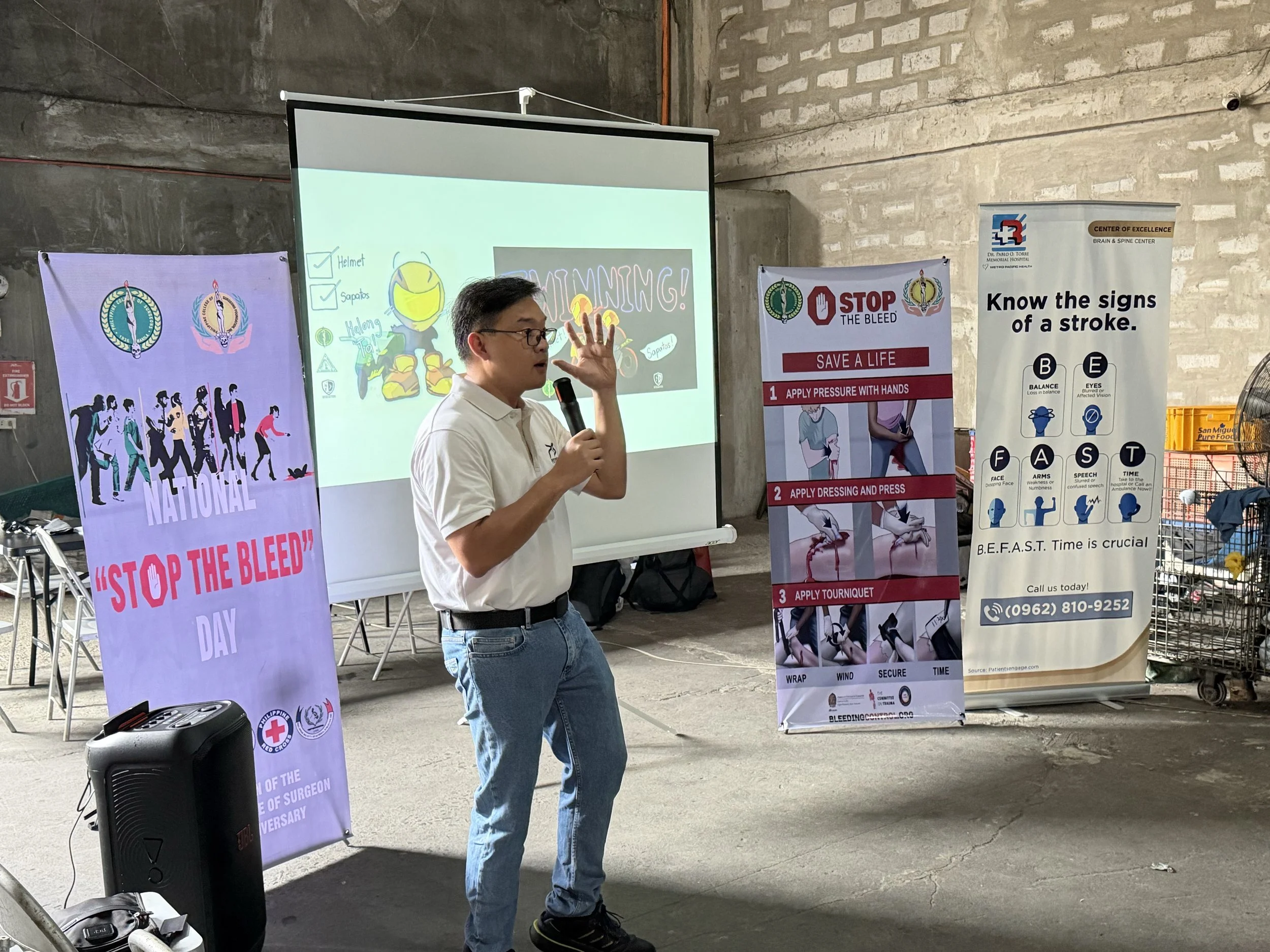
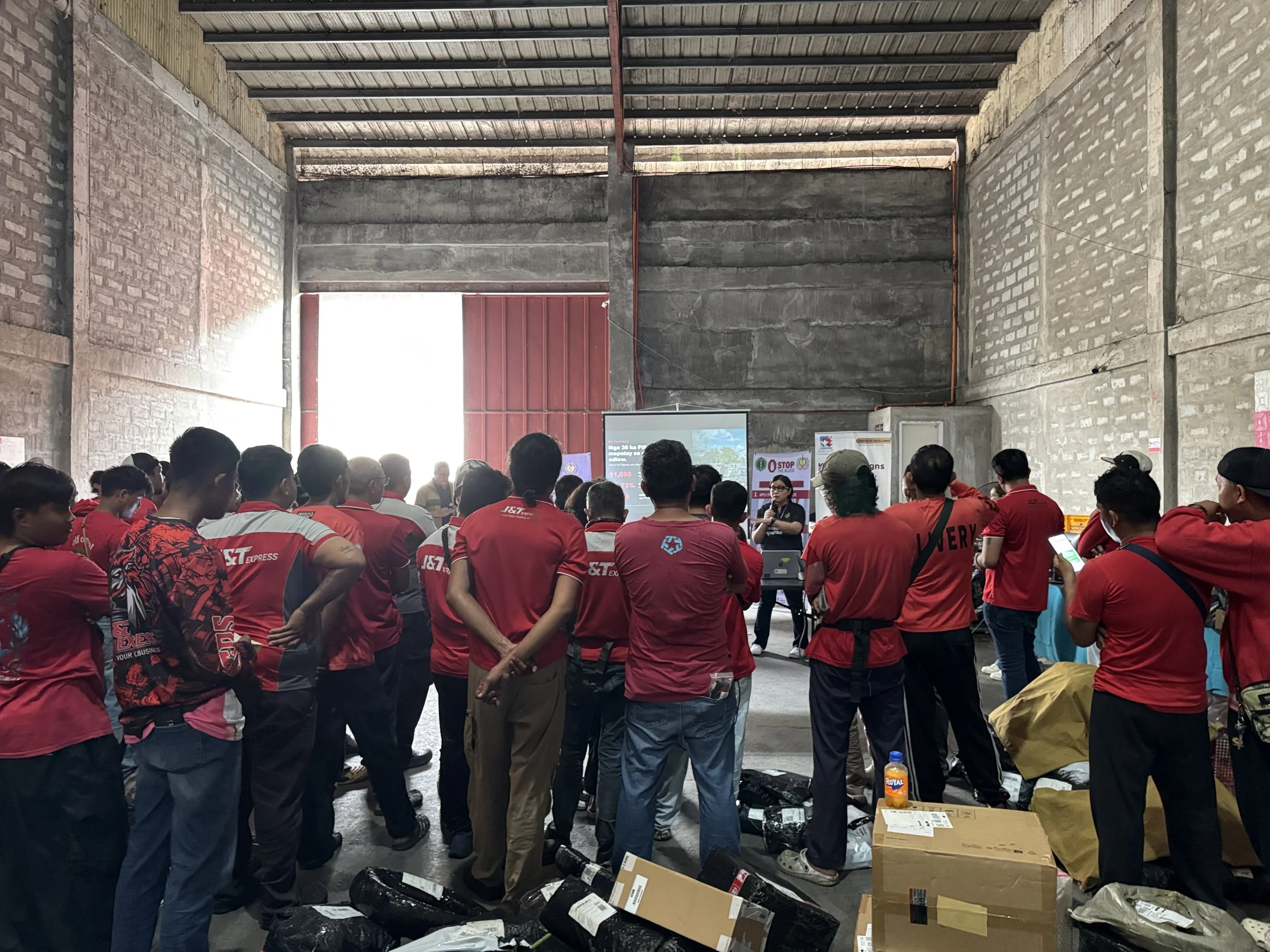
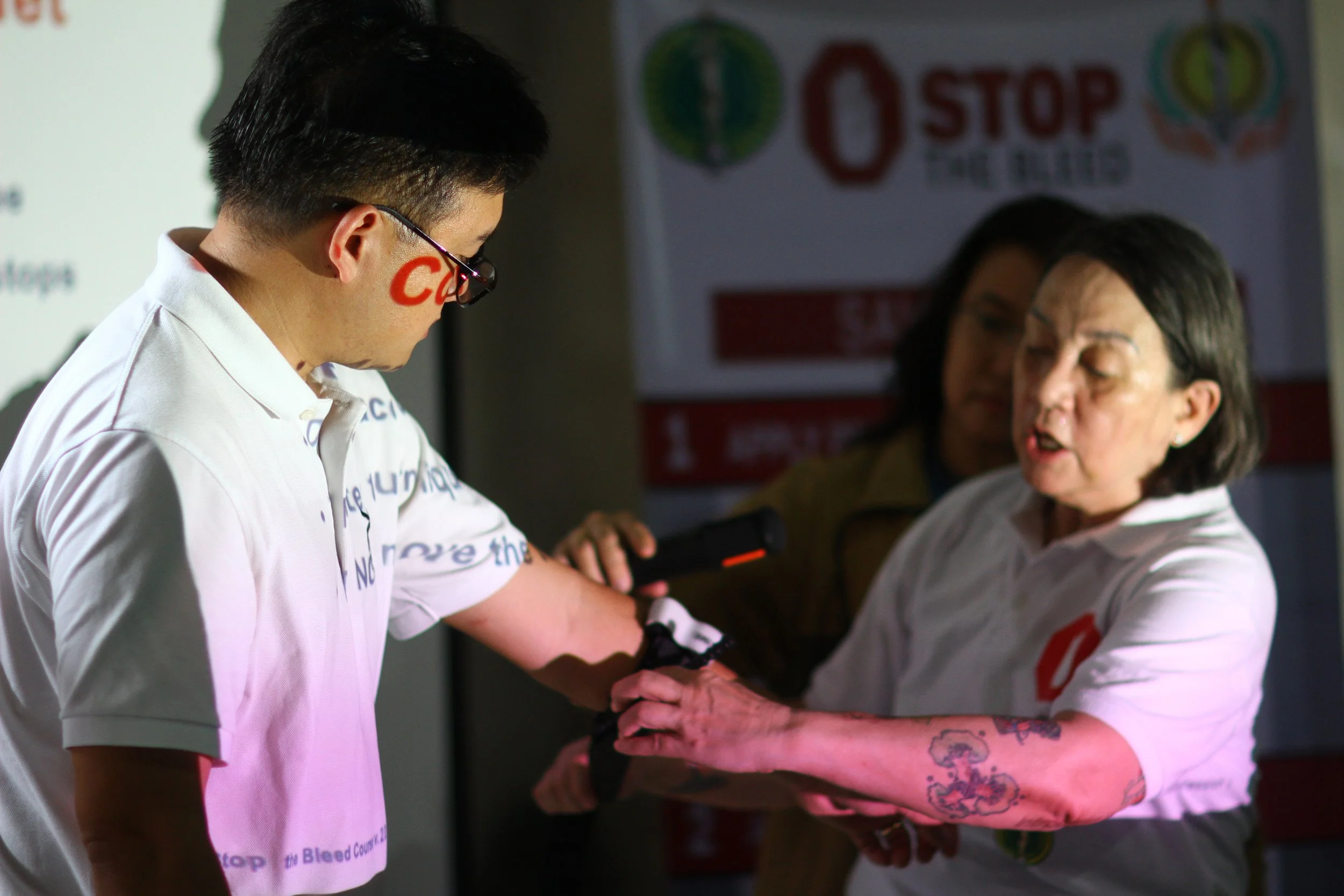
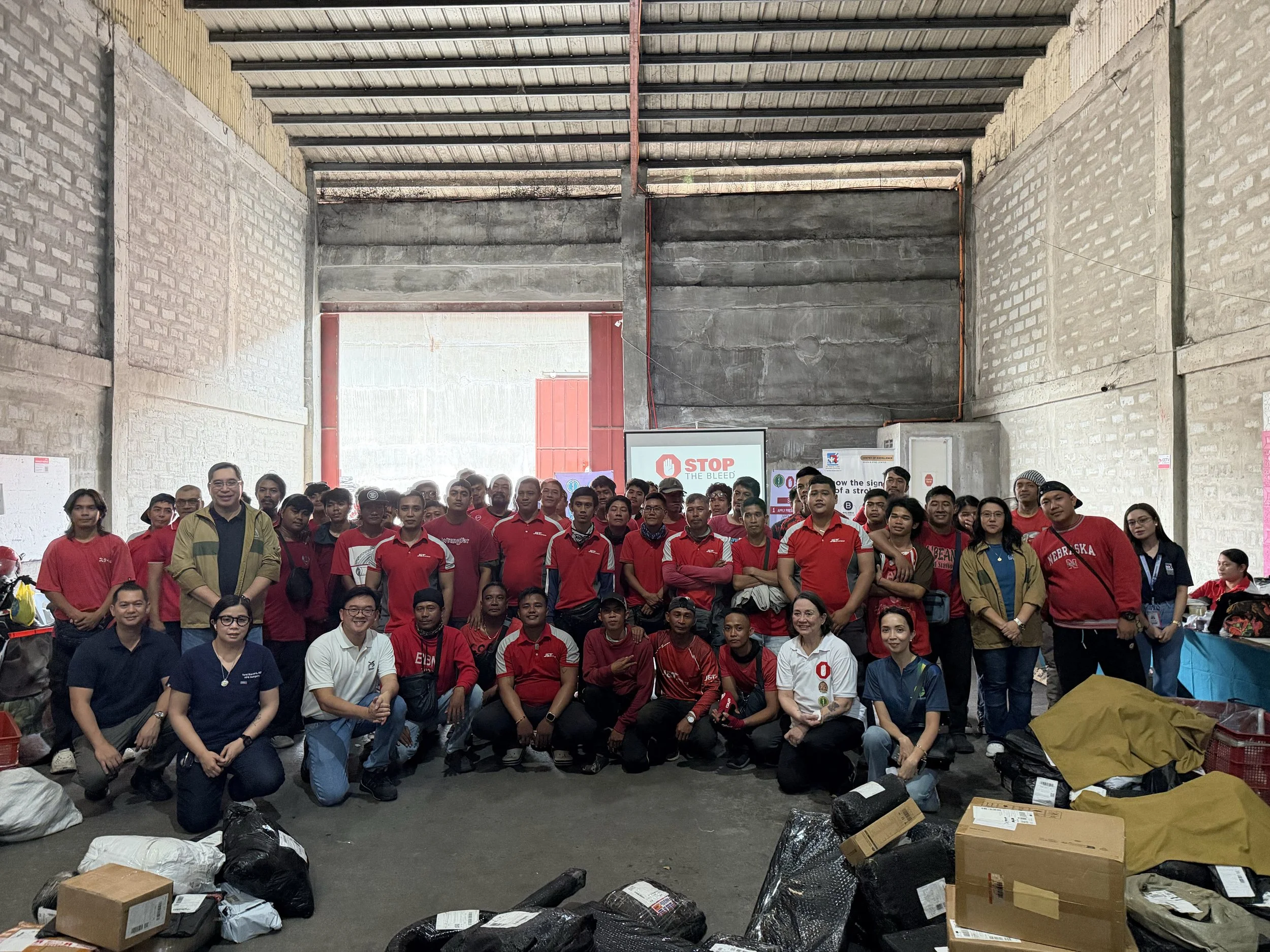
There is a big burden to the patient, the health care facility, and hospital workers in treating patients injured from not wearing shoes and helmets. Last September 7, 2026, members of the Philippine College of Surgeons (PCS) , Philippine Orthopaedic Foot and Ankle Society, and Philippine Orthopaedic Association (POA) met at the J&T Express Courier and Delivery Hub in Banago to deliver lay lectures on road safety, distribute vehicle stickers promoting wearing of shoes and helmets while driving, and provide free combat application tourniquet to over fifty riders who use motorcycles to make a living. This is a program starting in Bacolod, to be rolled out nationwide to various chapters and subspecialty societies of the PCS and POA. The support of the mother agencies are palpable given the prior television campaign endorsed by PCS president Dr. Joselito Mendoza and regent Dr. Rouel Mateo Azores, and POA president Dr. Marcelino Cadag sent trustees for the launch of Suksuk Sapatos sa Dalan represented by Drs. Richard John Pecson from Davao and Marie Jeanne Bertol from Bicol.
What sets this homegrown initiative unique is that it brings advocacy to where the workers are-the professionals to them, there is no expense from their end, safety regarding bodily injuries across many parts and organ systems are shared in a language understood by the audience, and the program is replicable to be delivered to many sites across the Philippines. Another unique feature is combining the education with Stop The Bleed. Patterned from the U.S. Department of Defense, use of life saving devices are taught to bystanders in order for them to have an active role in providing first aid to injured passengers. Instead of being observers, they are promoted to have a role even before first responders arrive. From the PCS Negros Island Chapter, Drs. Regina Alma G. Quiogue-Magalona, Teressa Mae Bacaro, Andrea Joanne Alerta-Torre, and Mark Artemio Reyes were part of the program delivering quality education to the couriers. After the Bacolod launch, chapters from La Union, Cavite and Siargao have already committed to participating early next year, and more are expected to follow suit.
“We cannot expect road traffic accidents to go down dramatically after this event alone, but it is a great start to sustain what were are doing so that these unplanned occurrences do not lead to serious morbidity in our community population. Everyone in society has a role to do, and we wish to keep them on their feet to contribute to progress for the island,” concludes. Dr. Coruña.